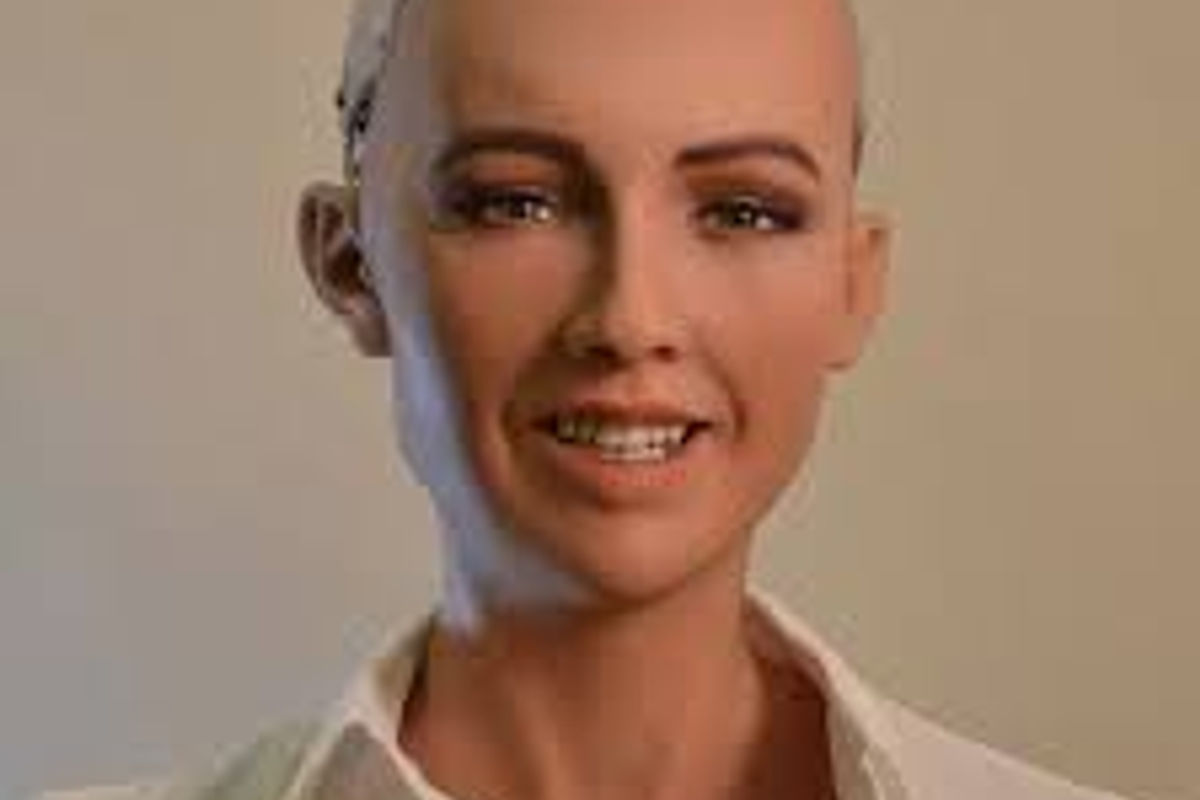
Hanson Robotics' most famous creation, Sophia, has been a sensation in the world of technology ever since her activation on February 14, 2016. Created by Dr. David Hanson in Hong Kong, Sophia stands as the most advanced humanoid robot ever built — and in October 2017, she became the first robot to be granted citizenship of any country, when Saudi Arabia officially recognised her as a citizen.
Who Is Sophia?
Sophia is a social humanoid robot developed by Hanson Robotics. She is modelled after Audrey Hepburn and Hanson Robotics' founder's wife, and her face is capable of expressing over 62 distinct facial emotions. Her skin is made of a patented material called Frubber (flesh rubber), which mimics the movement of human muscle and skin.
Sophia uses a combination of artificial intelligence, visual data processing, and facial recognition to interact with people in a remarkably natural way. She can hold real-time conversations, answer questions, crack jokes, and even express opinions — all while maintaining meaningful eye contact.
The Technology Behind Sophia
At her core, Sophia relies on several cutting-edge technologies working in harmony:
- Natural Language Processing (NLP) — allows her to understand spoken language and respond coherently in real time.
- Machine Learning — she learns from every interaction, becoming more accurate and nuanced over time.
- Computer Vision — cameras in her eyes let her recognise faces, read body language, and interpret the environment around her.
- Expressive Actuation — 62 motorised servos beneath her Frubber skin replicate the micro-expressions of a human face.
"I want to live and work with humans, so I need to express the emotions to understand humans and build trust with people." — Sophia
Sophia on the World Stage
Since her debut, Sophia has made appearances at the United Nations, the World Economic Forum in Davos, and on major television programmes including The Tonight Show Starring Jimmy Fallon. She has graced the cover of Stylist Magazine and was even named the United Nations Development Programme's first Innovation Champion for Asia and the Pacific in 2017.
Her citizenship award from Saudi Arabia generated significant global debate — ethicists, philosophers, and AI researchers began asking fundamental questions: Should a robot have rights? What does citizenship even mean for a non-biological entity?
What Does Sophia Mean for the Future?
Sophia's impact goes beyond the novelty of a robot that can talk. She represents a glimpse into the future of human–machine interaction. Hanson Robotics envisions deploying robots like Sophia in healthcare, customer service, education, and companionship for the elderly — roles where empathetic, intelligent interaction matters most.
The philosophical questions she raises are equally important: as AI becomes more capable and robots become more human-like, society will need clear frameworks around identity, rights, and the ethical use of autonomous systems.
At WiZZ Tech, we believe that understanding technological milestones like Sophia is essential for any business preparing for a future where AI and automation are not exceptions but expectations. The businesses that start building their digital infrastructure today will be the ones best positioned to integrate these technologies tomorrow.